
The fairy tales we tell children are meant to give them a model by which to understand the world. They are created to teach valuable lessons on morality, ethics, friendship, and bravery. But the fairy tales do not stop once we leave primary school.
Money, religion, politics, nationality—these are all just stories that grown ups believe in to help navigate the world. Similar to fairy tales, all of these stories contain right vs wrong, villains and heroes. For conservatives, government overreach is the Big Bad Wolf and individual liberty is Little Red Riding Hood. In Buddhism, desire is the Evil Queen and liberation is Snow White.
If you decide to accept this viewpoint, there are a few different options. One option is to take a nihilistic outlook on life. All of these stories are inherently meaningless and there isn’t much point in continuing to participate in society. An alternative path might be to recognize the absurdity of it all, and decide to find freedom in the madness.
There are some fundamental truths that shouldn't be ignored. It's pretty safe to say that 2+2=4. A mechanical engineer designing an airplane would be wise to follow the laws of physics. We can also acknowledge that human biology requires a sufficient amount of hydration and calories to maintain function.
However, once you get past logical truths and the laws of nature, everything else is left up to interpretation. A person's model of the world is simply a combination of their unique lived experience.
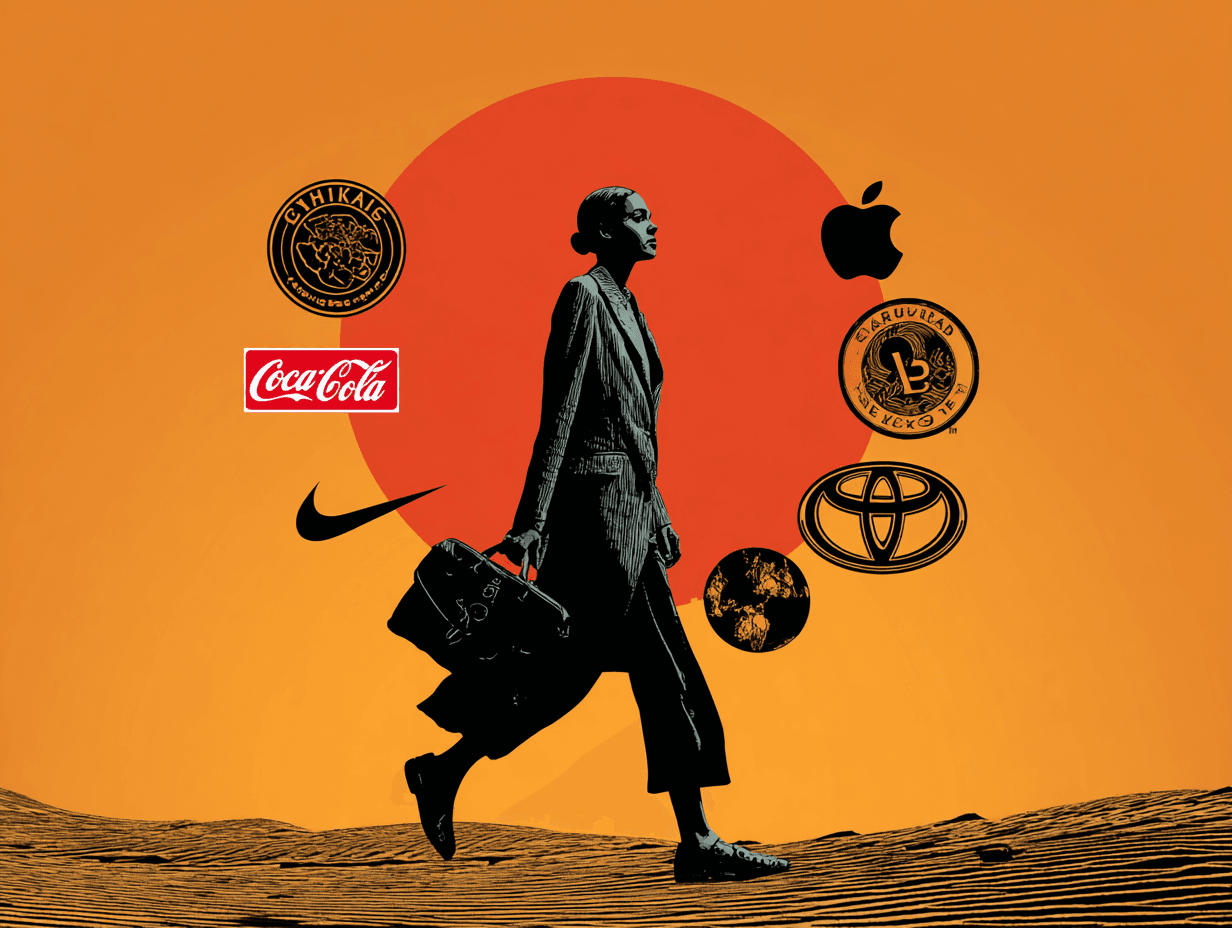
Travelling in developing countries gave me a different perspective on clothing brands. Visit any local market in South America or Southeast Asia, and you will see endless rows of name brands such as Nike, Adidas, Patagonia, and Lululemon. When you take a closer look, you notice prices are a 90% discount compared to what you would pay in the United States.
Are these products actually produced by the companies represented by their logo? Of course not!
Is the quality the same as a product manufactured by one of the reputable brands? Doubtful.
But if I buy a Patagonia jacket in Peru for $10 and wear it back in the United States, not a single one of my peers would be able to tell the difference. Most people purchasing these brands are not buying them with the intent of pushing the limits of human performance. As long as the prized logo appears on the t-shirt, jacket, shorts, or leggings, the ultimate reason for purchasing the product has been fulfilled. The story of that particular brand resonates with the life I want to lead. The same principle applies to jewelry, electronics, automobiles, and any other product with iconic brand recognition.
So how does one approach navigating the illusions of society? Personally, I determine which are worth paying attention to, and which I’d rather be an indifferent spectator.
When I take an objective view of sports fandom, the idea becomes a bit strange. I was born in Norman, Oklahoma. Therefore, it is my biological right to attach extreme emotional importance to the outcome of every single football game played by 18-22 year old men donning the University of Oklahoma logo on their jersey.
I recognize this absurdity, and embrace it. Watching and playing sports as a kid growing up, discussing strategy with friends about the next moves the team should make, commentating on the latest coaching hire as if I would have made a better decision. All of these acts have brought great joy to my life, and I do not intend to take them lightly anytime soon. On the other hand, politics is an illusion that I mostly ignore.
Governance and law play an incredibly important role in society. They shape the opportunities one has in life, the ability to express oneself, and the very foundation of what it means to be human. But since the advent of the 24-hour news cycle, philosophical debates about liberty and human rights have devolved into personal drama and tribal competition.
Turn on any political news channel, and you're much more likely to see a personal attack on the character of someone from the “other team” than you are to see objective debate about how the country should be governed. I will happily engage others in discussion about the optimal way to structure a society that maximizes human and animal prosperity, but I willfully choose to ignore the 24/7 reality TV that has become modern politics.
When I find the stresses of life weighing me down, I try to remember this is all just one big game that I can decide how to play. If I take time to reflect on which illusions are actually worth paying attention to, I just might find a simpler and more fulfilling life in the process.