
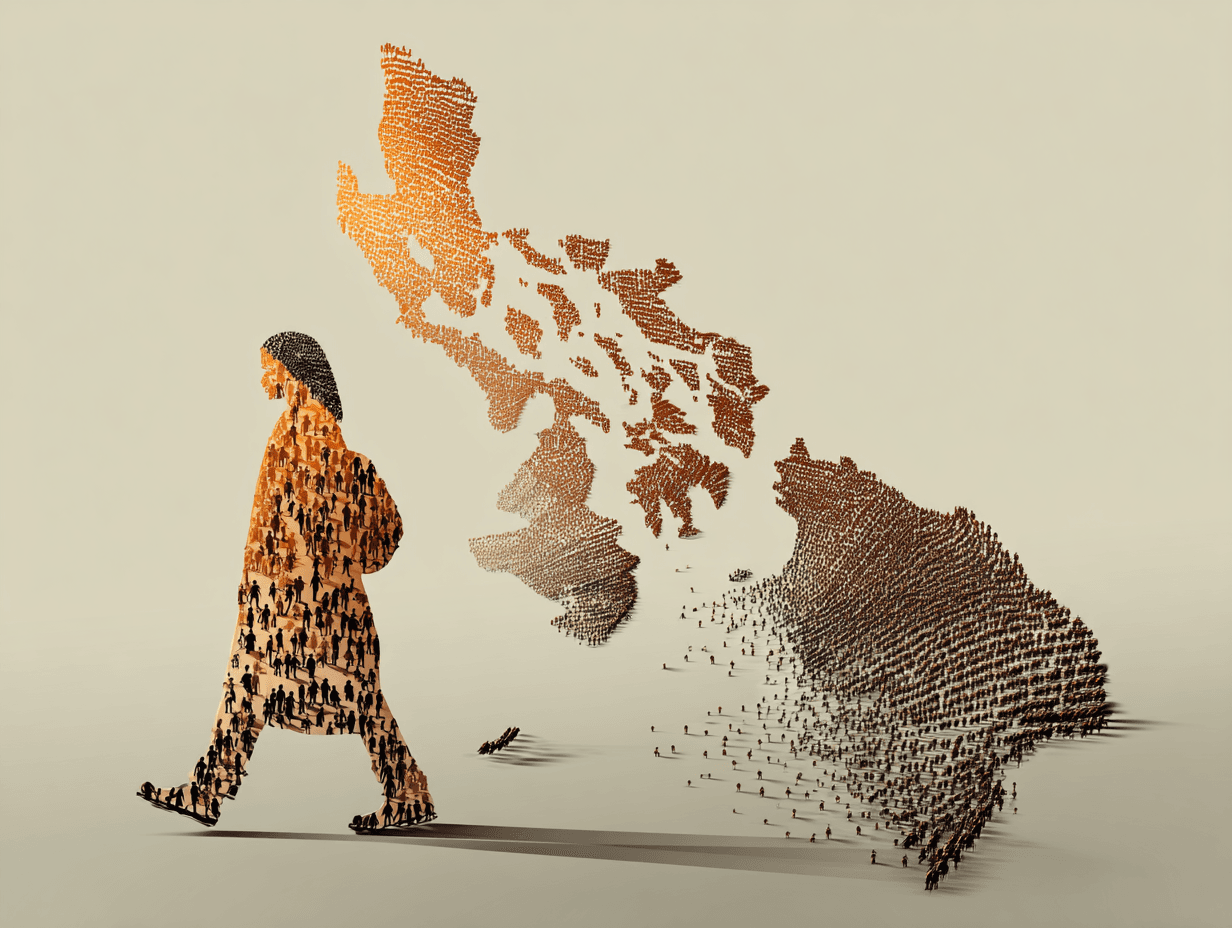
San Fernando, La Union sits on the west coast of Luzon: the largest and most populous island in the Philippines. Due to its weather patterns, watershed characteristics, and rapid urbanization, San Fernando has a water problem. Too much rain in the wet season, too little rain in the dry season.
As a member of the Peace Corps, I was tasked with using my technical background in water resources to help find solutions to their problems. I was placed in the city's environment and natural resources office to work directly with the locals.
Upon arriving at my post, I was given materials from previous international agencies that had done analysis on the factors contributing to San Fernando’s water problems. The documents detailed painstaking research and feasibility studies. When I asked my colleagues what happened to the many promising proposals in the reports, I got a range of responses:
“Well, we built that one but it broke a year later.”
“We started that project but the funding dried up.”
“We really liked that one but couldn’t convince the mayor.”
I arrived in the country with the naive belief that all they needed was better engineering and technology. I soon realized the job description was a bit more nuanced.
I heard an interview with Sam Altman where he said, “Instead of universal basic income, what if we implemented universal basic tokens?” I understand the intent. If we give the world access to unlimited intelligence, it will allow people to rise up and build a better life. But if you’ve seen large urban areas where many of the inhabitants have no access to clean water or electricity, you realize ChatGPT can’t solve every problem.
During my time in the Philippines, I had the pleasure of interacting with a lot of youth through environmental outreach programs. Their passion to learn and build a better country than the one they grew up in was contagious. I left those programs with hope, knowing that the Philippines was in good hands. However, I later discovered that the kids from the program were a select group, and that most of their peers were not afforded the same opportunity.
Through no fault of their own, many children in the Philippines are forced to drop out of school. Sometimes it’s to get a job to help support their family. Sometimes it's to raise their siblings. Other times it's because the closest school is 10 miles away and they have no means of transportation.
Imagine how many future doctors, scientists, teachers, artists, and engineers are in that group that will never get the opportunity to maximize their potential. I don’t have many concrete thoughts on how to approach international development, but empowering the youth to drive change from within is certainly one of them.
Another prerequisite is understanding the history and culture of the people you’re trying to help. I jumped straight into finding solutions to their problems before understanding the context that surrounded them. The approaches I took toward engineering in the United States were unlikely to work in the Philippines. I became frustrated with working conditions that were foreign to me instead of adapting to their way of thinking.
Although I struggled with the working conditions, my personal interactions were defined by a different story.
The Philippines is home to the most welcoming, kind, and warm-hearted people I’ve ever met. When I moved into my house, my landlord spent several hours making sure I was comfortable. He brought over many personal items from his home that I lacked. He invited me to weekend jogs, community events, and dinners with his family. Every time he took a trip outside the city, he would return with gifts for me and my roommates (Filipinos refer to this as pasalubong).
My landlord was not an exception. I received the same level of hospitality from countless other Filipinos during my time there.
Lifting up countries that have been continually put down by centuries of imperialism is a monumental task, but we owe it to them to do everything we can. There are economic reasons for why supporting developing countries ultimately helps the global economy. But that’s not why we should be doing it. We should be doing it to empower incredibly capable humans that happened to be born in a location that provided them a different starting point.
I wish I could have done more for the Filipino people.
I didn’t make much progress in finding solutions to the water problems plaguing San Fernando, but I learned a lot about approaching the lives of others without preconceived notions. When you take the time to better understand someone different from you, it becomes clear why you should help them out as you would help your own.
Despite cultural, political, and religious differences, they are still human: the same as you and me.