
Most people grow up in an environment surrounded by people similar to them. They go to school with kids that have the same skin color, speak the same language, and share the same religious beliefs.
If you were born in the United States, there's a good chance you went to school with a lot of immigrants. But how many of us have first hand experience of what it's like to be one of those immigrants? By definition, most of us have not—there’s a reason they’re called minorities.
When I was 25, I took an 18-month trip around South America. The first few months, I spent my time in tourist destinations and backpacker hostels consisting mainly of Americans and Western Europeans. I learned a lot about the lives of people from countries like England, Germany, and France, but these people still mostly looked like me, talked like me, and had similar beliefs on morality and ethics.
In an attempt to get off the gringo trail, I decided to volunteer for a couple in Argentina to help them build their dream home. They hosted several other volunteers as well during my stay. The volunteers were from all around the world: Argentina, Uruguay, Italy, and Belgium. The girl from Belgium spoke fluent English, but the others, including the couple themselves, conducted most of the conversations in their native tongue—Spanish. While two weeks of immersion did wonders for my Spanish, it also resulted in feeling like an outsider.
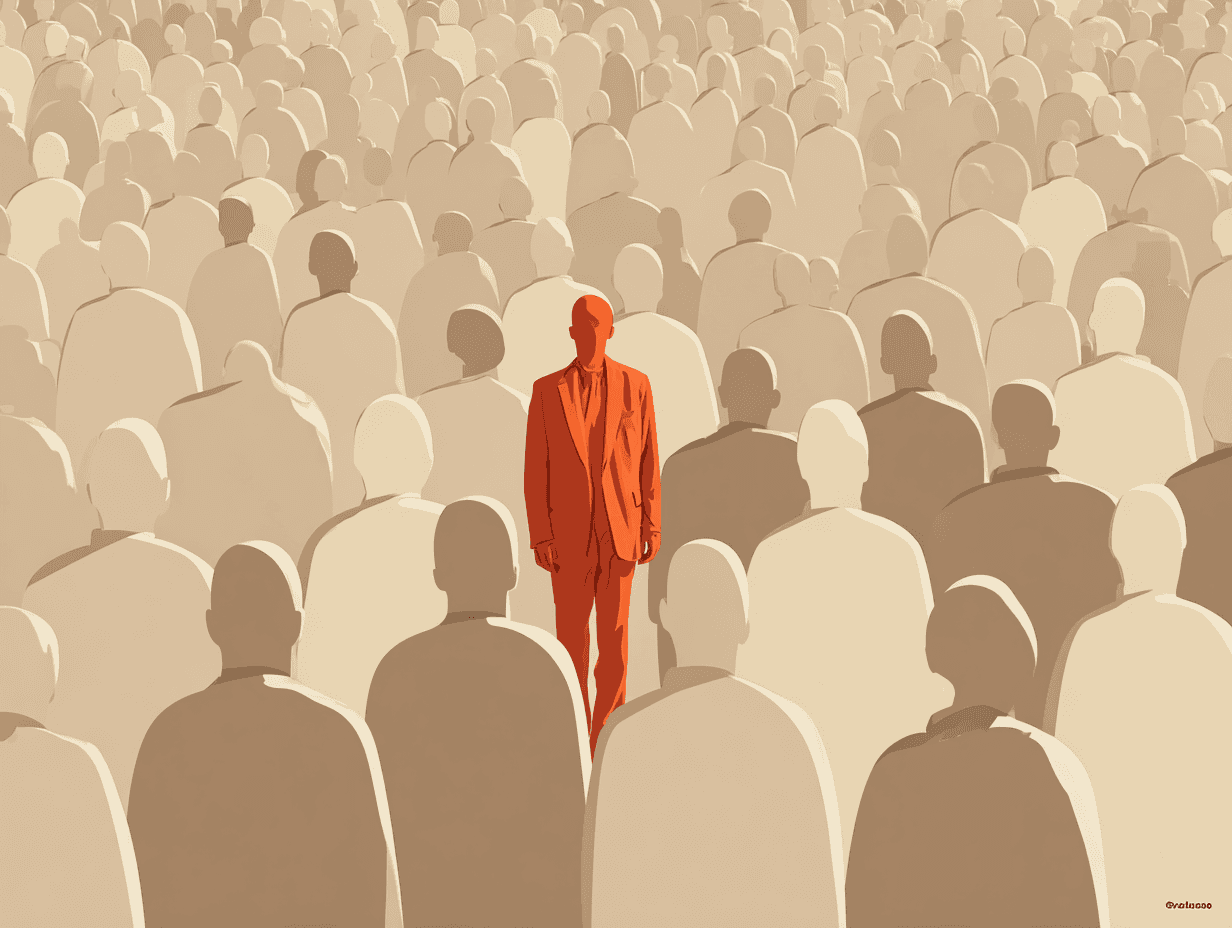
For the first time in my life, I was the minority.
A daily ritual was shared meals between the hosts and volunteers. Most of the lunch and dinner conversations were in Spanish. While I could pick up bits and pieces, a majority of the dialogue went over my head.
I couldn’t be frustrated with them. For the rest of the group, English was their second language. Why should they have to speak broken English to accommodate the American?
I ended many of those days with a headache, exhausted from trying to translate conversations in real time. It was a relief to have a normal English conversation at the end of the night with the other volunteer from Belgium.
When I later worked for the Peace Corps in the Philippines, the minority experience was intensified. In a city of over 100,000 people, I could count on my hands the number of permanent residents that were white. Every time I took public transportation, walked through the market, or jogged shirtless on the beach, I stuck out like a sore thumb. The kids in my jiu jitsu class would often get distracted looking at me because it was the first time they had ever seen blue eyes. I welcomed this celebrity status at first, but eventually it took a toll on me, and contributed to my struggles adapting to life in the country.
These experiences have given me a new perspective on the difficulties minorities endure. I think back to kids in my school that were called dumb, without acknowledging the obvious language barrier. Kids have the excuse of ignorance, but adults should know better than to judge someone else based on physical or personality traits that are different from their own.
As I became more fluent in Spanish and the cultural practices of Latin America, life as a minority began to bear fruit. Instead of getting frustrated by people that didn’t speak English, I now welcomed the opportunity to learn more about their way of thinking. I grew to appreciate the proud and expressive personality of Argentinians, the warm and energetic personality of Colombians, and the more reserved and private demeanor of Bolivians.
International travel has taught me a lot of lessons. I initially embarked on the trip to see the Wonders of the World, relax in a hammock on a tropical beach, and eat extravagant meals for a fraction of the cost I would pay back home. Turns out, the main purpose of the journey was to put myself in the shoes of a minority, and learn more about all the wonderfully different ways humans decide to live their lives in the process.