
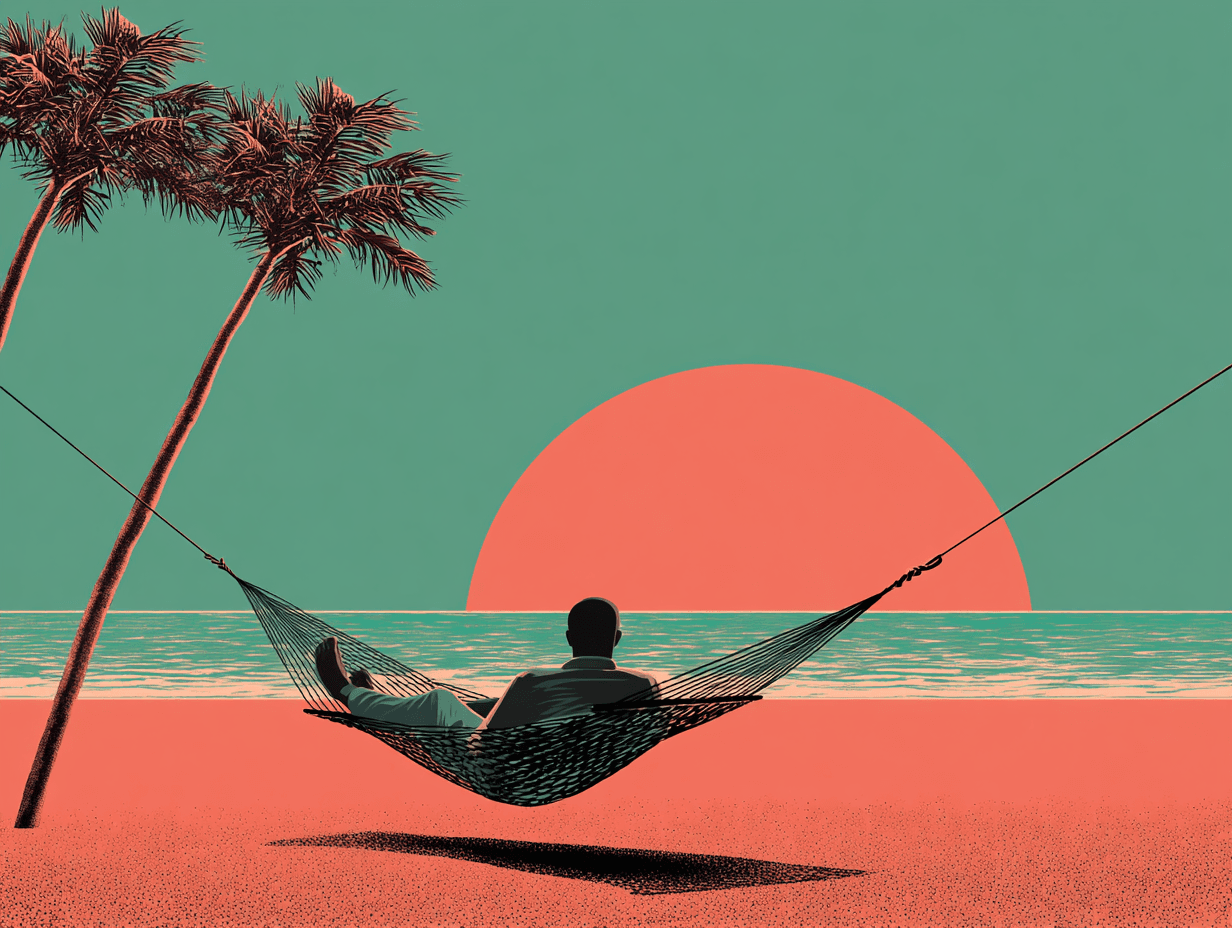
In most developed countries, at some point in their sixties, a person can start collecting checks from a previous employer, the government, or a tax-deferred investment account. At this point, they finally have the freedom to pursue their favorite hobby, ride a motorcycle across the country, or even travel the world. Instead of waiting for the prime age of 65 to fulfill these desires, I decided to start crossing some of them off the list at the age of 25.
I’m not exactly sure where the motivation came from, but I knew I wanted to see what this world has to offer. Maybe it’s because I grew up in a small town in Oklahoma. Maybe it’s because I wanted to embark on the same adventures I saw in movies. Maybe it’s because I wanted to prove to people how cool I am.
Regardless of the cause, I found the courage to quit my stable engineering job, and buy a one-way ticket to Peru. A trip that I initially thought was going to last six months, ended up lasting nearly three years. You could say that during this period, I was officially retired.
That’s not to say I didn’t work during the trip. I volunteered my time to get free room and board at many stops along the way. I also made some real cash on a working holiday visa in New Zealand, and as a member of the Peace Corps in the Philippines.
But in every one of these situations, I had the option of walking away at any time. I had no contracts, career goals, or financial obligations.
This freedom might sound like a dream. And to be fair, it certainly had its perks. But after countless waterfalls, tropical beaches, and sunrises in the mountains, feelings of freedom began to shift into feelings of emptiness.
By the time I made it to the Philippines, I had been traveling for over two and a half years. I was living in a beautiful condo with direct beach access. When I could barely find the energy to get out of bed and enjoy the incredible surroundings, I knew it was time to call it quits.
I’ve realized that I’m analytical by nature. My entire school and work life involved using the tools of math and science to solve complex problems. During my mini-retirement, I was only occasionally allowed to use this part of my brain.
In early 2025, I broke my foot on a hiking trip in New Zealand. I was forced to take a six-month break from travel. Sitting immobile at home with nothing better to do, I decided to learn about the world of computer science. After a two-year break from engineering, the intellectual challenge of programming was a delight. Many of the mental health struggles I was facing at the time were resolved by simply re-engaging the left side of my brain. Whatever life I choose to lead, it must involve the consistent pursuit of solving hard technical problems.
Another part of the equation is pursuing goals that are bigger than myself. When I reminisce on my trip, I remember the times I helped other people much more fondly than the times I spent pursuing my own desires.
I’ve realized a relaxing retirement of piña coladas on the beach is not what I’m aiming for. I plan on engaging in physical and mental activities that challenge me and feed my spirit until the day I die. Instead of thinking about retirement as a finish line 40 years in the future, how can I craft a life that feels like I’m already retired every single day?